You probably associate your ears with your ability to hear. This is, of course, correct, but did you know that your ears are also a critical component of your ability to balance? Inside your inner ear, there is a cluster of organs known as the labyrinth, and these fascinating organs are the central organs of your hearing and balance.
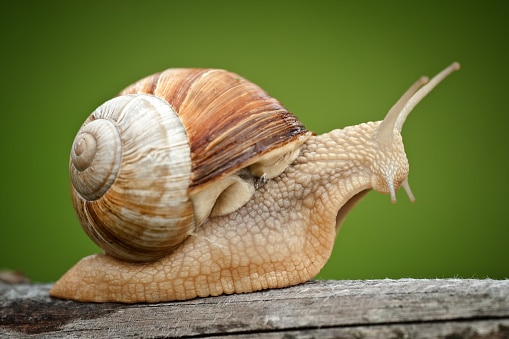
The Labyrinth
If you were to look at a diagram of the labyrinth, it would resemble a snail: there’s a spiral shell-shaped part, and a long part with attached tubes that resemble the body and antennae of a snail. These are the cochlea and the vestibular system.
The Cochlea
The cochlea is the shell part of the snail, and it is the main hearing organ. Its function is to collect sound waves that enter the ear, encode them into electrical signals and transmit those signals to the brain for processing.
The inside of the cochlea is filled with a fluid called endolymph and lined with tiny, hair-like sensory cells. Sound waves make the endolymph move and ripple, like when you play loud music near a cup of water. The hair-like sensory cells will sway in the endolymph ripples, and it is through their movement and brushing up against the walls of the cochlea that they encode the electrical signals, causing you to hear. When this process is interrupted in any way, it leads to hearing loss.
The Vestibular System
The vestibular system is made up of a few different parts: two otolith organs and three semicircular canals. These are the snail’s body and antennae. Put together, these organs make up your balance system.
The semicircular canals are also filled with endolymph and lined with hair cells. However, instead of rippling with sound waves, the endolymph in the semicircular canals ripples when you turn or move your head. And as in the cochlea, the hair cells bend and sway in the movement of the endolymph and transmit the information to the brain. They detect when the head moves up and down, side to side or tilts.
The otolith organs are not filled with endolymph, but with a gel-like membrane. It also doesn’t use delicate hair cells, but crystals called otoliths. These components still work much like the hair cells and endolymph, but a bit more sluggishly. This sluggishness is efficient because the otolith organs detect more dramatic, full-body movements related to gravity, such as falling, lying down, accelerating or braking.
What Affects One Affects the Other
Because these organs are so close in proximity to each other and share the nerve pathway to the brain, there are many conditions that can affect both hearing and balance at the same time. Here are some examples:
- Labyrinthitis. As the name suggests, this is an infection of the inner ear, and it affects the whole labyrinth—both the cochlea and the vestibular system. It can cause vertigo and hearing loss.
- Head or neck trauma or injury. Because the cochlea and the vestibular system share a nerve pathway, if that nerve is injured or damaged, it can inhibit the organs’ ability to transmit information to the brain.
- Ménière’s disease. This condition occurs when excess endolymph accumulates throughout the labyrinth, altering pressure within the labyrinth and impairing the hair cells’ ability to function.
Audiologists: Ear Specialists
Our audiology team at Heuser Hearing Institute understands this intimate connection between hearing and balance, and that is why we are capable of treating both. In fact, many of our balance exams also utilize a hearing test, as your ability to hear can contain valuable information about your balance. To learn more or to seek help with any hearing or balance-related issues, give us a call.